
CPC and FAIR Release New Survey Highlighting Service Gaps for AAPI Families Raising Children with Special Needs in NYC
***FOR IMMEDIATE RELEASE***
Date: July 22nd, 2026
Press Contacts:
Alice Du, Director of Communications | (212) 792-4585 | adu@cpc-nyc.org
New York City AAPI Families Face Barriers to Disability Services, New Survey Finds
Community-led survey highlights language barriers, service delays, financial strain and a caregiver mental health crisis
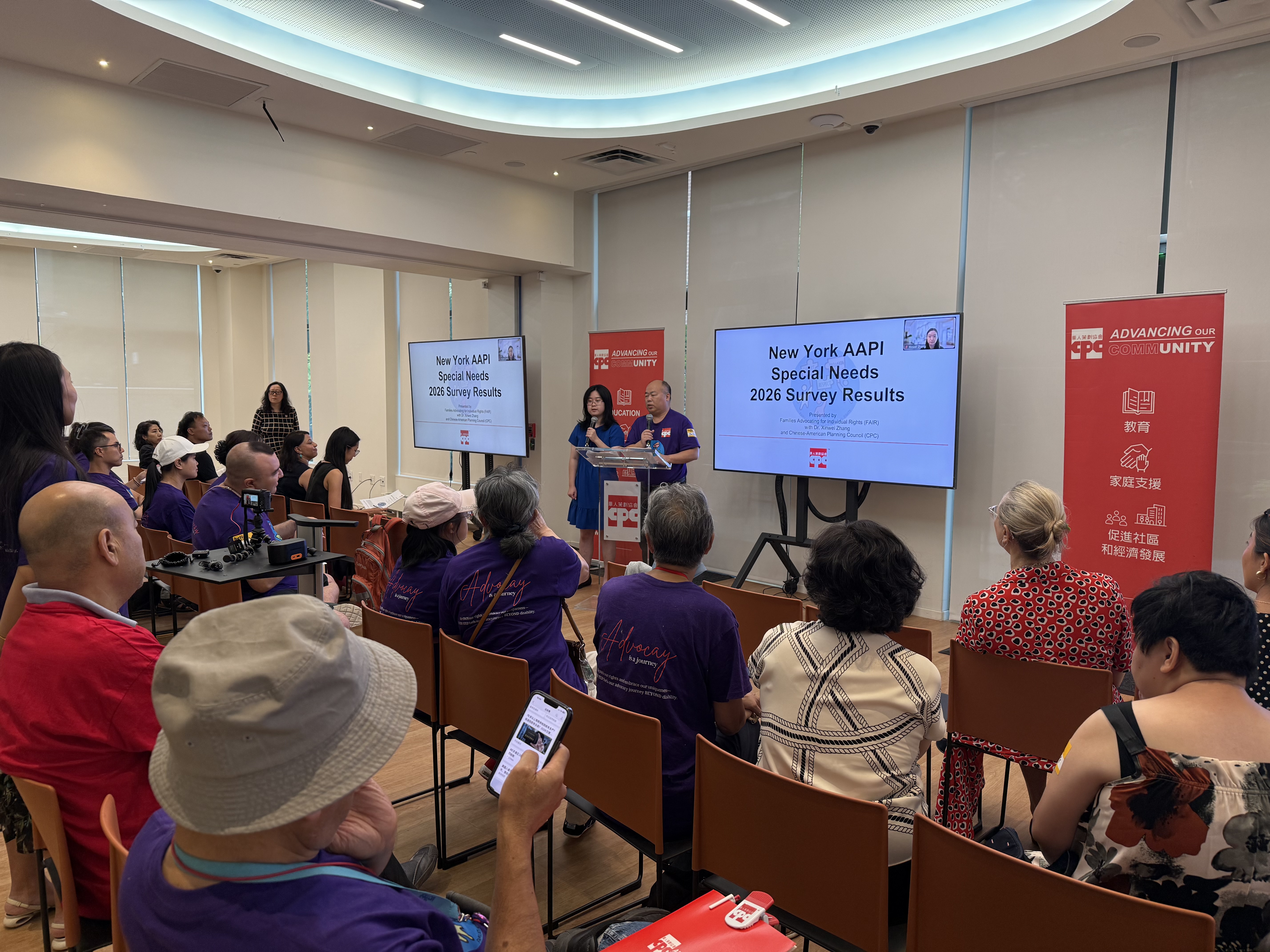
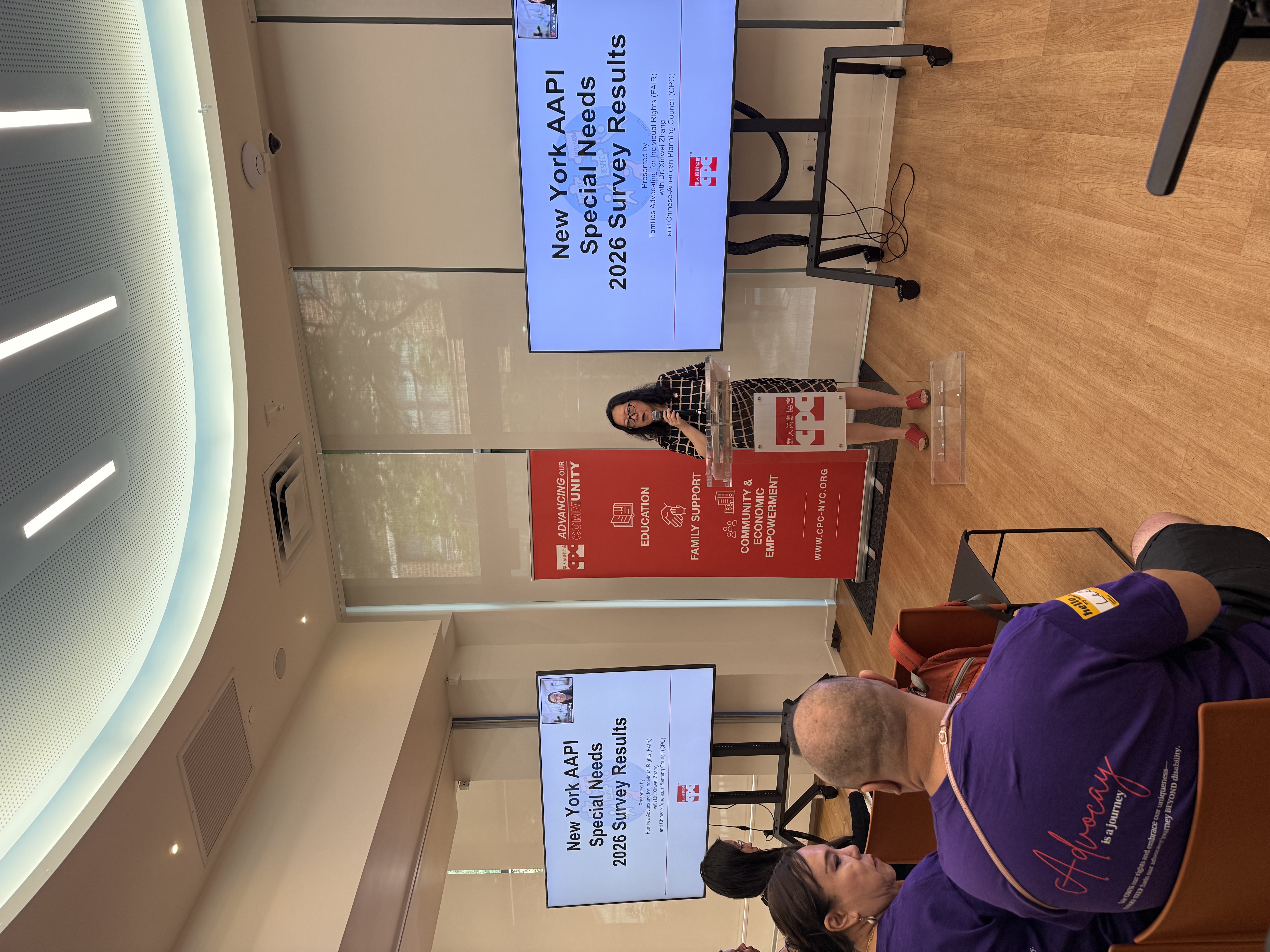
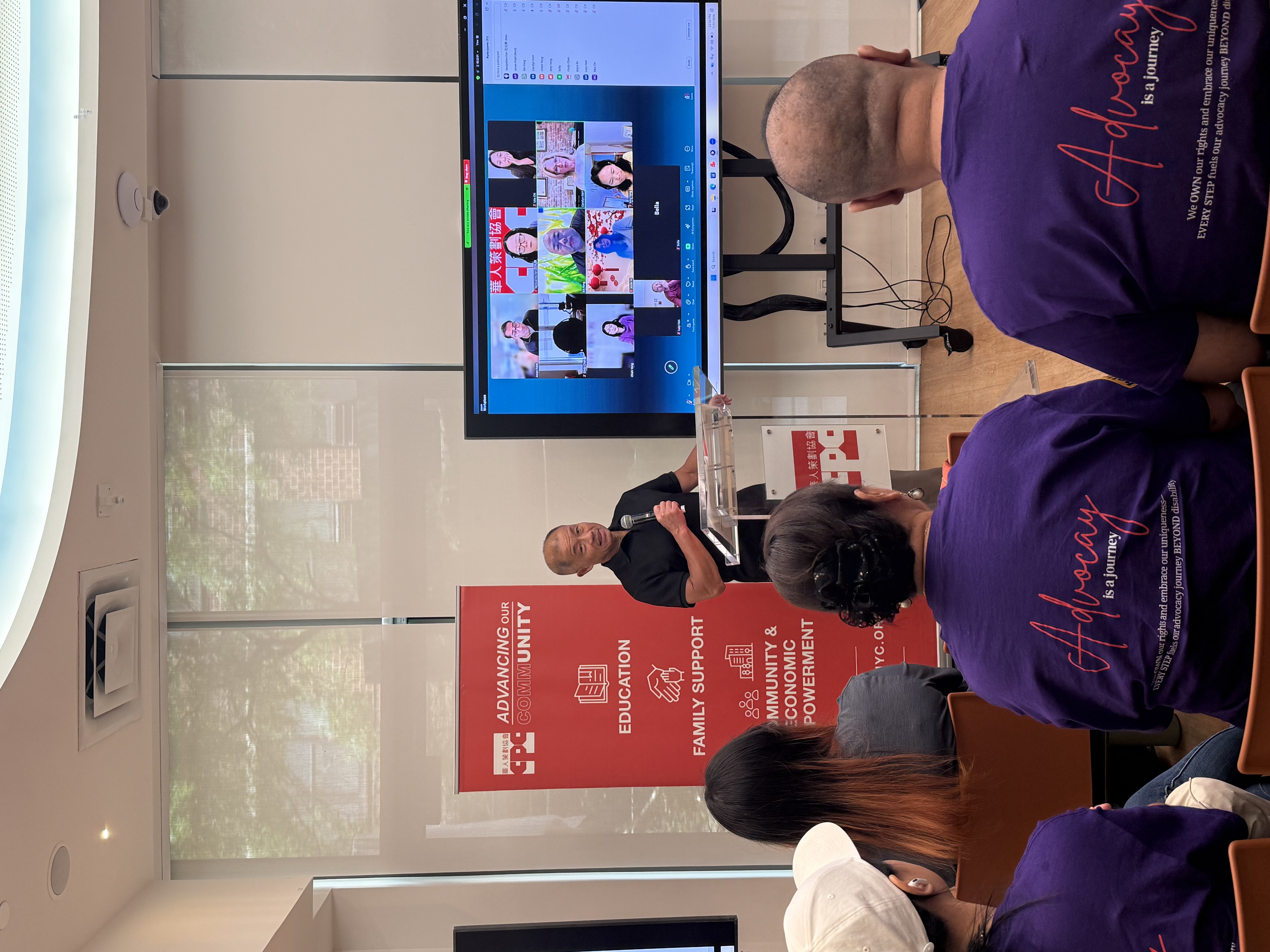
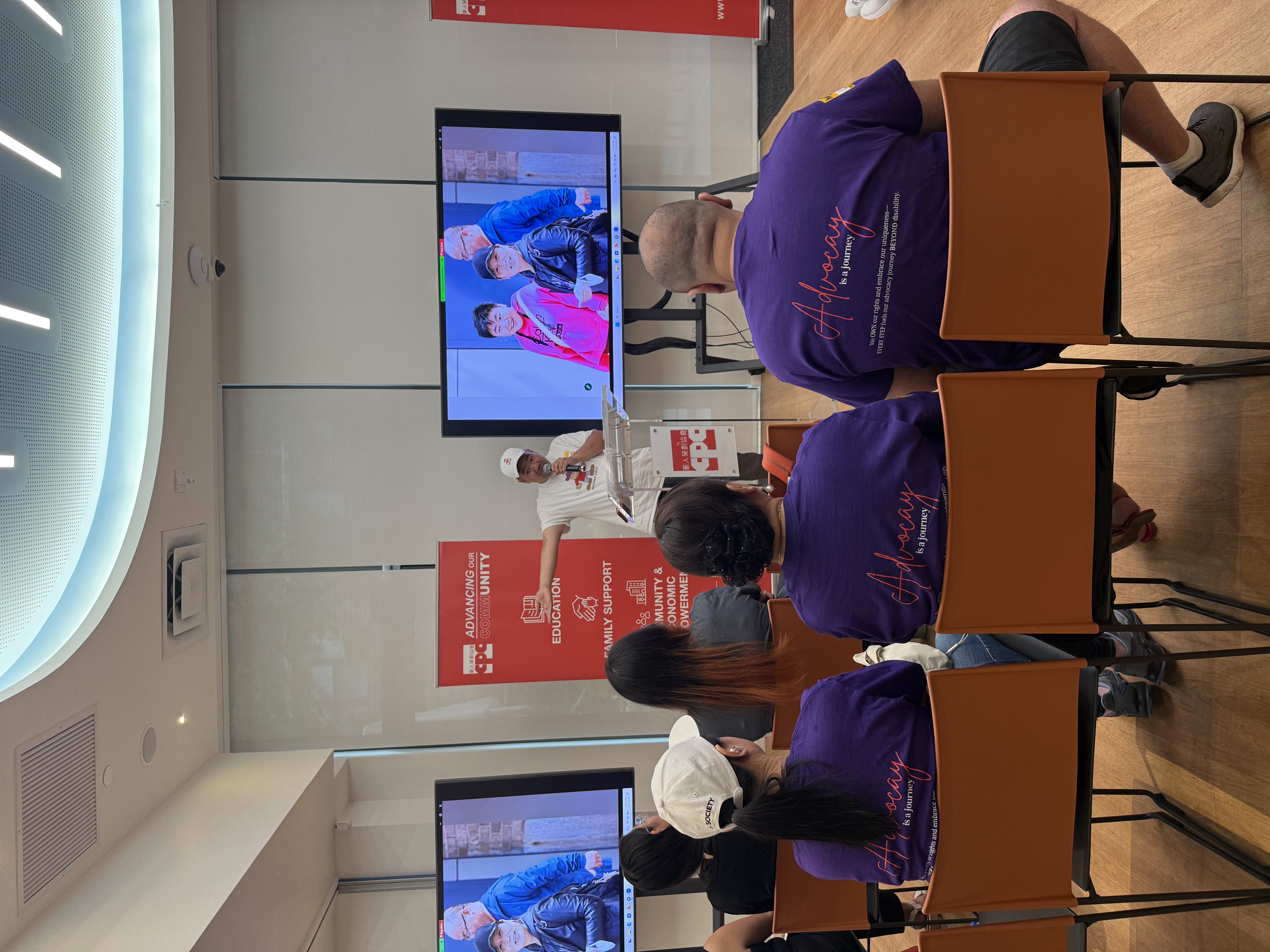
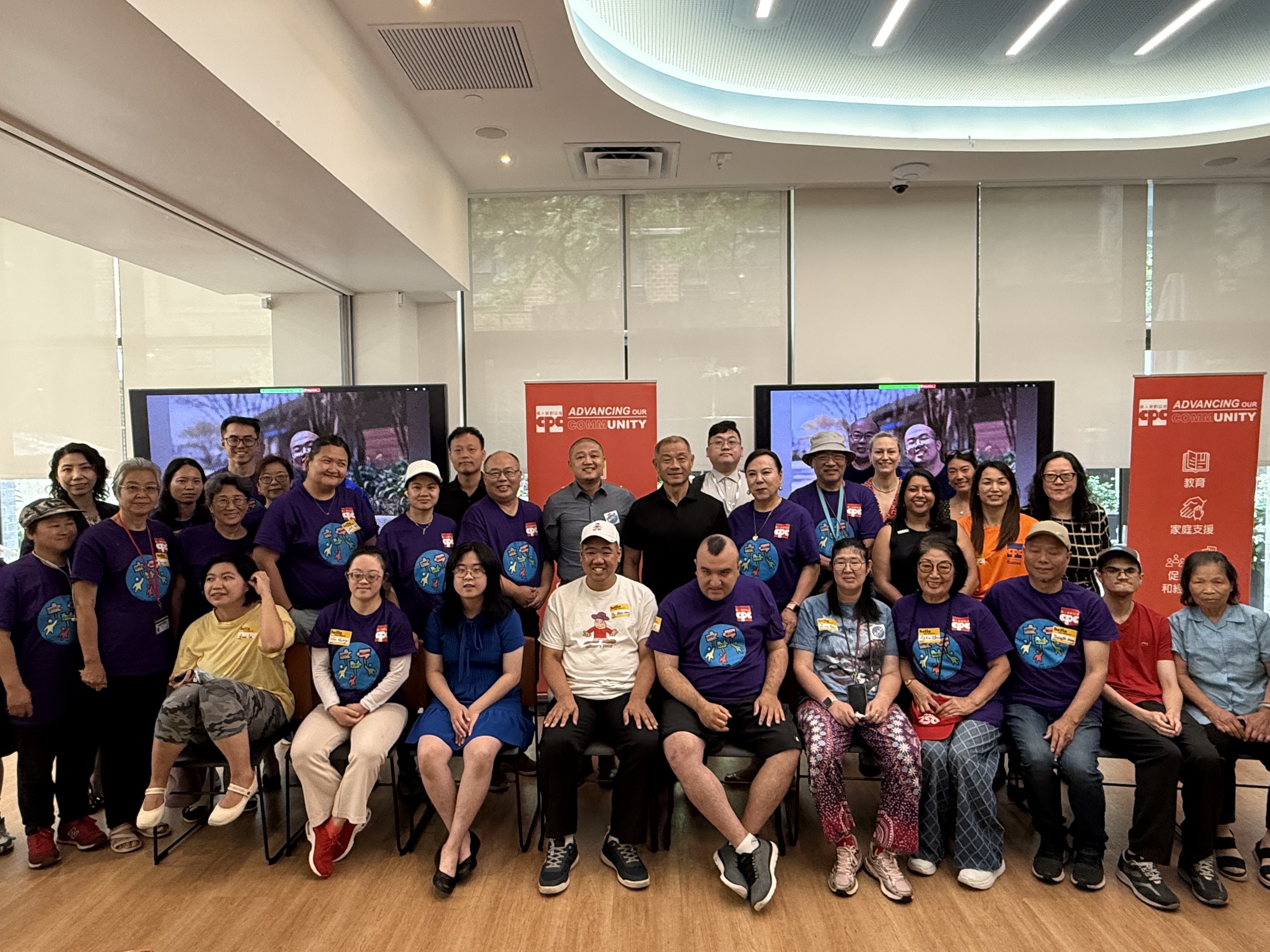
NEW YORK — Chinese-American Planning Council (CPC) and Families Advocating for Individual Rights (FAIR), a CPC parent-led group that advocates for Asian American and Pacific Islander (AAPI) individuals with developmental disabilities and their families, have released a new community-led survey of Chinese-American residents in New York City, in partnership with Dr. Xinwei Zhang of Teachers College, Columbia University. The survey finds that NYC AAPI families raising individuals with intellectual and developmental disabilities (I/DD) continue to encounter significant obstacles to timely, culturally responsive services.
- Approximately 76% of caregivers needed an interpreter, half found it difficult to request one, and only 45% were satisfied with translation services.
- Nearly 66% of respondents experienced difficulties or delays obtaining services in the previous 12 months. Only 8% knew exactly where to find information, while 92% needed at least some help navigating the system.
- About 46% of caregivers said they suffered from depression, 57% rated their health as fair or poor and 51% reported poor or very poor quality of life.
- Approximately 83% had just enough, or not enough, money to get by. Although 91% said caregiving affected their ability to work, only 14% were paid for providing care.
- When asked about their ward’s transition into adulthood, 76% of caregivers were concerned, while more than eight in 10 worried about community inclusion, long-term supports, and future safety and independence.
“Forcing families to become experts in fragmented systems causes strains on mental health and quality of life. These findings show that meaningful access requires clear multilingual information, trusted community navigation, and services that support the whole family across every stage of life,” said Jacqueline Fan, CPC Program Director of Queens Special Needs.
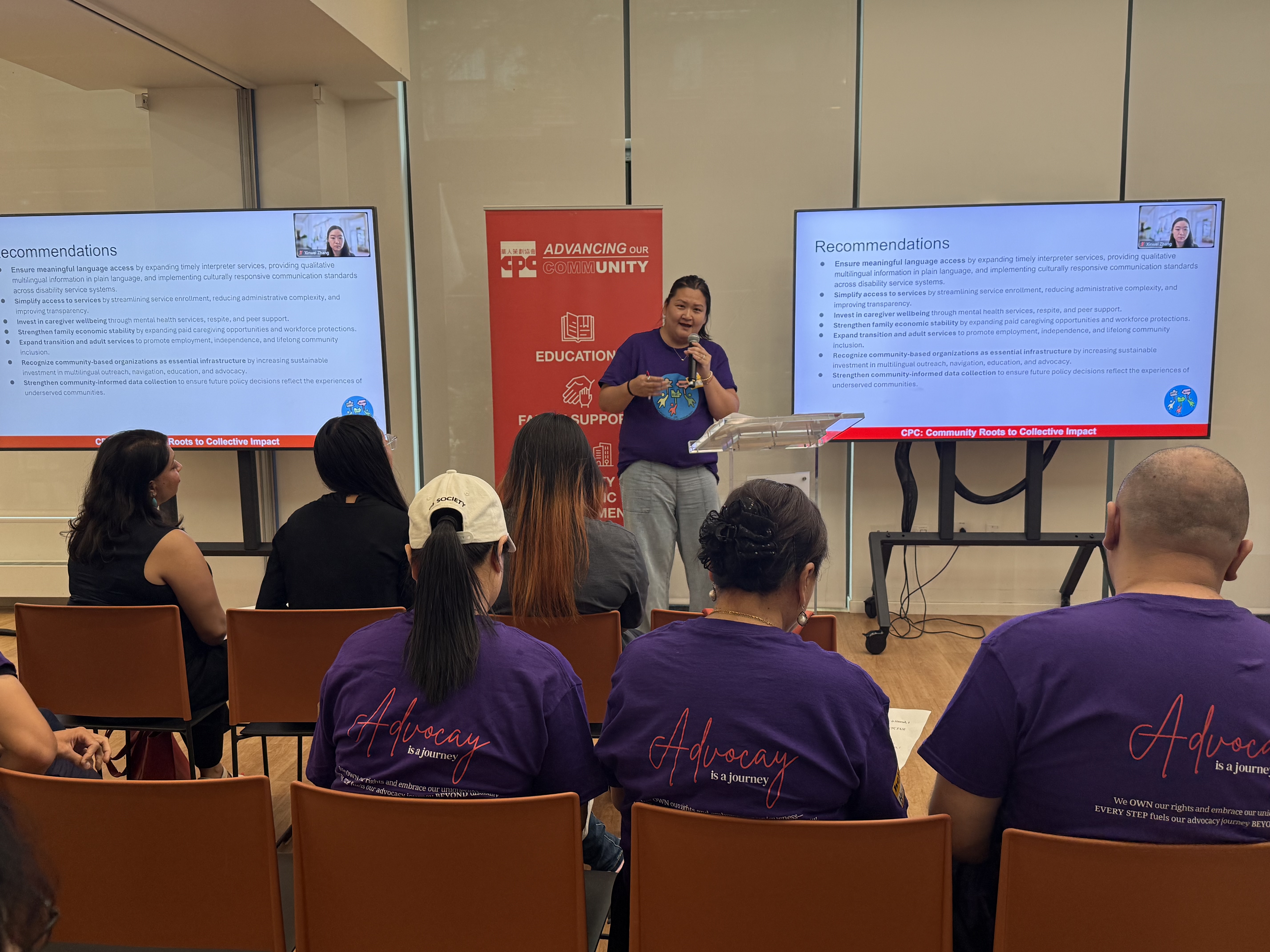
FAIR and CPC are calling on policymakers and service systems to:
- Expand timely interpreter services and plain-language multilingual information;
- Streamline enrollment and reduce administrative complexity;
- Invest in caregiver mental health, respite and peer support;
- Expand paid caregiving opportunities and workforce protections;
- Strengthen transition and adult services;
- And sustain investment in trusted community-based organizations that provide outreach, navigation, education and advocacy.
Community organizations are already central to closing access gaps: 56% of respondents had relied on a community organization for support at least once in the previous month. The report also recommends stronger community-informed, disaggregated data collection so that underserved AAPI families are visible in policy and funding decisions.
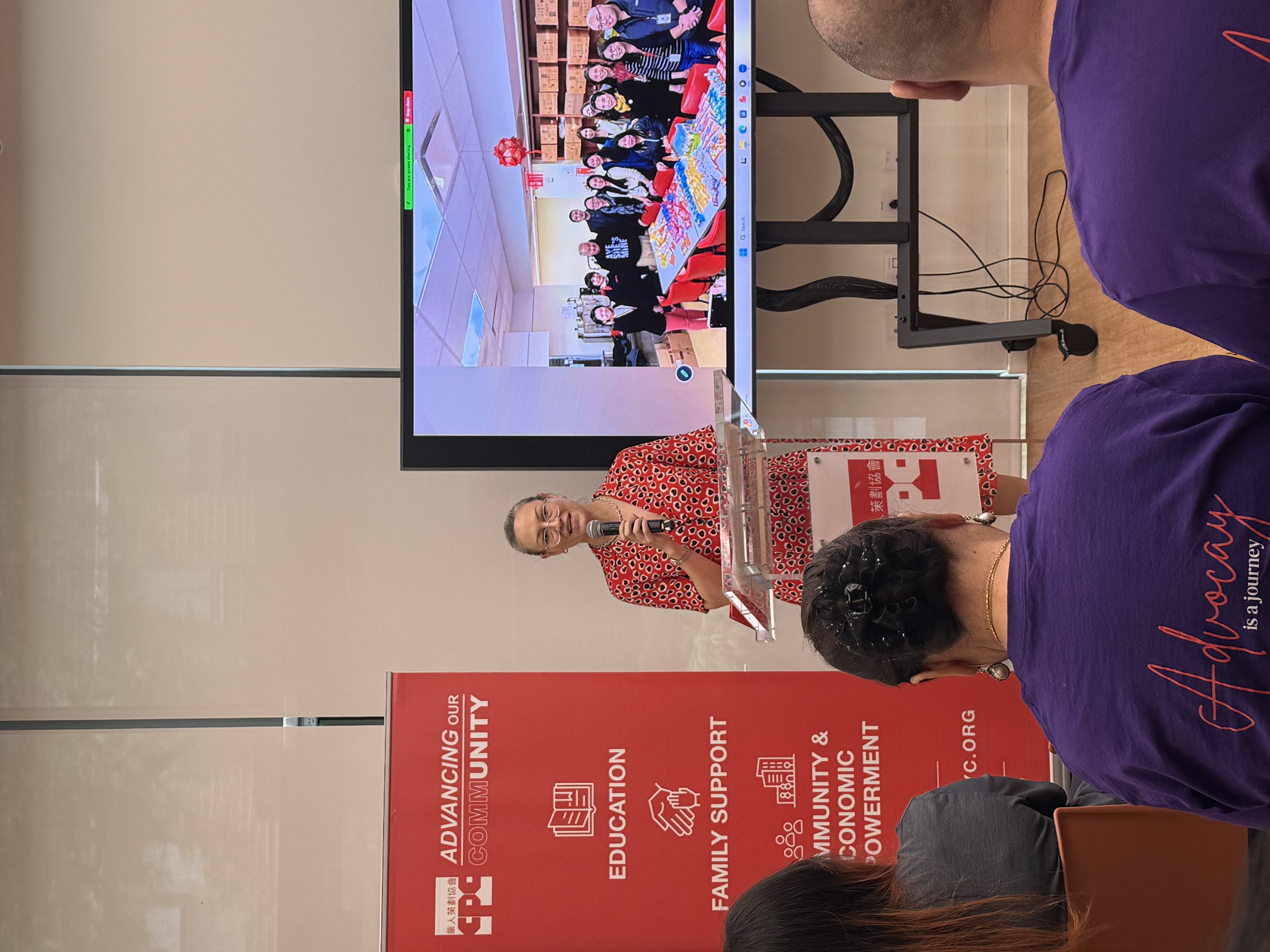
“For too long, AAPI families affected by intellectual and developmental disabilities have been underrepresented in the data that shapes public policy and funding decisions. This survey helps fill that gap, offering valuable insights into the barriers families face and the supports they need to thrive. The New York Community Trust is proud to support FAIR's leadership in bringing these voices forward and advancing a more inclusive, responsive, and equitable future for all New Yorkers,” said Rachel Pardoe, Program Director of The New York Community Trust.
The 2026 FAIR Survey collected responses from 345 caregivers representing 372 individuals with I/DD. Conducted from March through June 2026, the survey was available in five languages and distributed using a community-based participatory research approach. Most respondents were Chinese American families in New York City, and 54% lived in Queens.
The survey intentionally separates age groups because each stage brings different providers, evaluation processes and access challenges—and because the years before age 6 are an optimal window for intervention. Ages 0–3 are served through Early Intervention under the New York State Department of Health. Ages 4–5 are covered through the Committees on Preschool Special Education (CPSE) and Committees on Special Education under the New York City Department of Education, while older children are served through school-age special education systems. Families’ needs continue beyond school, making stronger transition and adult-service pathways essential.
Reference:
1. FAIR Survey Policy Paper (English and Chinese)
2. Community Members Testimonies
Press Coverage: World Journal, Epoch Times, Citybiz, AsAmNews, and Patch
###
ABOUT CPC
Founded in 1965, CPC is a social services organization that creates social change. Building on our historic legacy and ongoing dedication to the Chinese American community, CPC advances the social and economic progress of immigrant and low-income communities of New York through services, resources, and advocacy.
關於華策會
華策會成立於1965年,是一個致力於推動社會變革的社會服務機構。秉承深厚的歷史傳承與對華裔美國社區的持續承諾,華策會透過多元服務、資源援助與公共倡議,促進紐約移民及低收入社區的社會與經濟發展。
ACERCA DE CPC
Fundada en 1965, CPC es una organización de servicios sociales que promueve el cambio social. Basándose en su legado histórico y su compromiso continuo con la comunidad chino-estadounidense, CPC impulsa el progreso social y económico de las comunidades inmigrantes y de bajos ingresos de Nueva York a través de servicios, recursos y acciones de incidencia.
###